
LOVELY LIBERIA
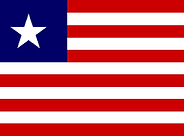
LAND OF THE FREE
DO'S AND DON'T

Interesting Cultural Norms and Practices
-
Most indigenous tribes have held on to their beliefs and traditions; tribal culture is still prevalent in Liberia today.
-
Each tribe has its own distinct languages and customs.
-
The indigenous groups speak languages belonging to the Niger-Congo family of African languages, found throughout Sub-Saharan Africa.
-
Traditionally, women hold very strong roles in tribal life, and most tribes commonly practice female circumcision.
-
Indigenous tribes prepare their adolescent children for adult life by having them attend Rites of Passage training.
-
Girls cannot be touched by any male while going thru Rites of Passage.
-
The country is officially “Christian,” but nearly 40% of the population holds to their traditional tribal beliefs, while 20% is Muslim.
-
In Liberia, both monogamy (one man having one wife) and polygyny (one man having more than one wife at a time) are permitted and practiced.
-
Among non-Western-educated Liberians, dating and marriage are regarded as somewhat of a practical social and economic arrangement between families. Marriage often involves payment of a bride price to the bride’s parents at the time a marriage is agreed upon.
-
Rice is the staple food. Food crops may also include onions, mangos, plantains (banana-like), pepper, and cassava. Indigenous Liberian coffee, palm wines and beer are widely drunk throughout the country.
-
The civil war devastated the Liberian economy; there is currently little economic activity.
-
About 70% percent of the population is engaged in traditional agriculture, growing rice, coffee, cocoa, and other crops. However, The Liberian government has been and still is the single largest employer in the country.
-
Unlike many other African countries, Liberians do not feel that American culture is foreign because of the intertwined histories of Liberia and the United States. Most Liberians are very friendly towards Americans.
-
The Liberian family unit is very flexible; they often refer to someone as their “brother” or “cousin” who is not biologically related.
-
Liberians are very frank with their adjectives. Along with this, in rural Liberia, an overweight person is considered a wealthy person. Liberians also refer to skin color frequently, in categories of black, brown, and bright.
-
Areas of life that Americans generally consider private, such as age and personal finances, can be public topics of conversation among Liberians.
-
Liberians frequently nod or do a quick intake of breath to agree with the speaker.
-
In Liberia parents commonly use corporal punishment to discipline their children.
-
Among many ethnic groups, people shake hands only with others of the same age group, so a young person greets an elder by bowing slightly at the knees.
-
A person who joins a small group typically apologizes for the disruption and then shakes hands with each individual.
-
At social gatherings, it is polite for a man to offer his seat to an elderly or pregnant woman.
-
Liberians hand objects to or accept them from others with the right hand or with both hands; using the left hand alone is considered rude.
-
People of the same gender may hold hands in public as a sign of friendship, but holding hands and other displays of affection between men and women are considered inappropriate.
Drug Use:
Persons violating Liberian laws, even unknowingly, may be expelled, arrested, or imprisoned.
Penalties for possessing, using, or trafficking in illegal drugs in Liberia are severe, and convicted offenders can expect long jail sentences and heavy fines.
Facts You Should Know
Infrastructure:
Lodging, fuel, transportation, and telephone services are not consistently available. Services can be nonexistent or severely limited in rural areas. Neither running water nor electricity is commercially available in Liberia, except in some parts of Monrovia.
Swimming Hazard:
Liberia has many excellent beaches along the Atlantic coastline that can be enjoyed throughout the year.
However, you should be aware of the threat of dangerous rip currents, also known as rip tides. These strong currents can occur anywhere on the coast given the right surf conditions.
The Liberia Weather Service does not provide information on where and when these tides form, and there are no lifeguards posted on beaches.
Do not swim in the Atlantic if you are unfamiliar with swimming in water where very strong rip currents occur
LGBT RIGHTS:
Consensual same-sex sexual relations are criminalized in Liberia. Voluntary sodomy remains illegal as a first degree misdemeanor with penalties ranging up to one year in prison.